
I was the kid who needed to know how everything works.
Curiosity
I was fascinated when I saw a hovercraft carry cars across the English Channel, so I built one with PC fans and a grocery bag in my mom’s kitchen.
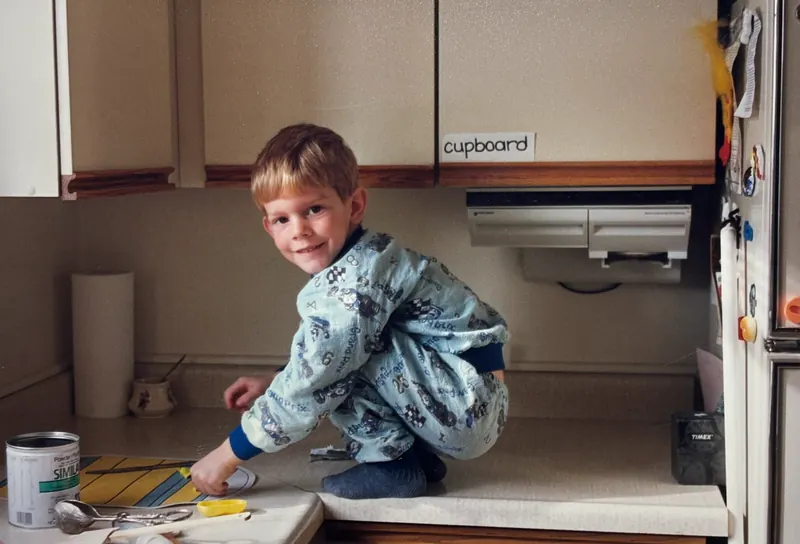
I took apart my parents’ clock radio and stared at the electronics inside with no idea what I was looking at. So I learned.
My favorite book as a kid was The Way Things Work by David Macaulay. Four hundred pages of cryptic little drawings showing how toilets, movie projectors, and helicopters worked. The drawings weren’t enough. I wanted to see the real thing.
So I took apart my parents’ clock radio and stared at the electronics inside with no idea what I was looking at. So I learned. I built a seismograph out of Lego. I saw a video of the English Channel hovercraft and built my own from PC fans, a grocery bag, and a cardstock frame.
The curiosity never left.
Planning
As a kid, my Grandpa Clayton made me talk through every build before we’d start in the workshop.
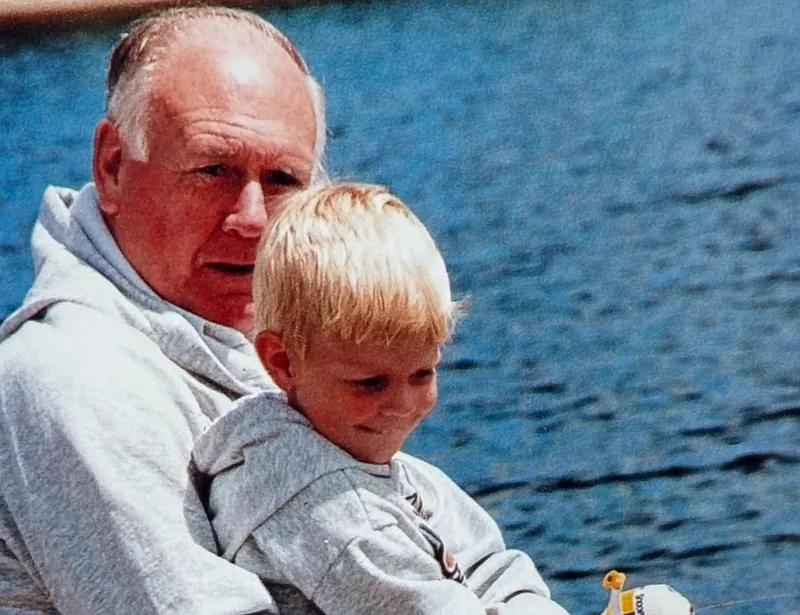
Every time, I hit a step where I’d forgotten something earlier. He’d smile and say, “Good, now you’re learning.”
Grandpa Clayton was a man of few words. Quiet, humble, confident. He taught me cabinetmaking. Whenever I showed him a project, he asked questions. What kind of joints did you use? Did you predrill?
Then he raised the bar. Before I built anything, he had me draw the project in detail. Then inventory every piece, taking the whole build apart in my head so I knew exactly what materials I needed.
Then came the real test. “Now build it without picking up your tools. Step by step. What happens next?”
Every time, I hit a step where I’d forgotten something earlier. He’d smile and say, “Good, now you’re learning.”
Years later, my first apartment had no storage. I built a cabinet from reclaimed barnwood and century-old shutters, using everything he taught me.
Listening
In nursing school, I thought I had to have an answer for everything. My professor called me cocky.
They weren’t wrong.
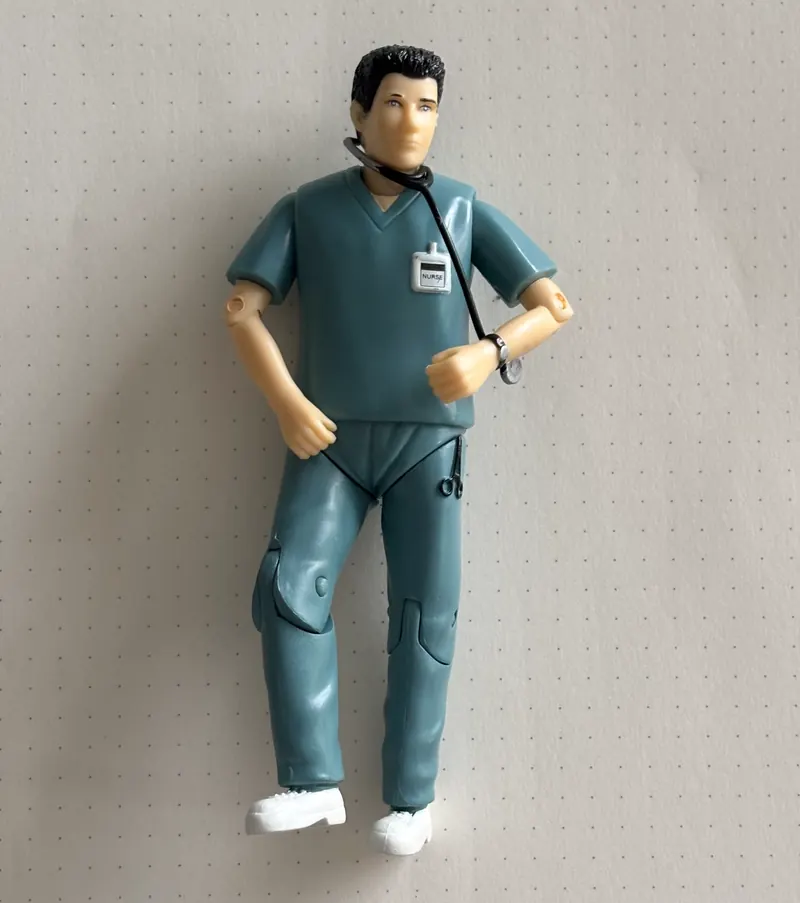
Over time, my perspective shifted. Everyone carries pieces of themselves they don’t want others to see.
I walked into nursing school confident, self-assured, and well researched. I knew my pharmacology guide front to back. I made quick diagnoses and earned top grades.
Then a colleague went through something I couldn’t understand. How could I? I hadn’t lived through anything like what they faced.
Over time, my perspective shifted. Everyone carries pieces of themselves they don’t want others to see. When someone shows me something vulnerable, or I catch a sign they need help, I want to be there.
The biggest lesson: I used to jump straight to “here’s the answer” before asking what the person thought their biggest problem was. Now I listen. Sometimes the best help is not talking at all.
Listening makes me a better designer and a better friend.
Repetition
My first projects had all kinds of mistakes. But after thousands of hours, I can anticipate the problems.
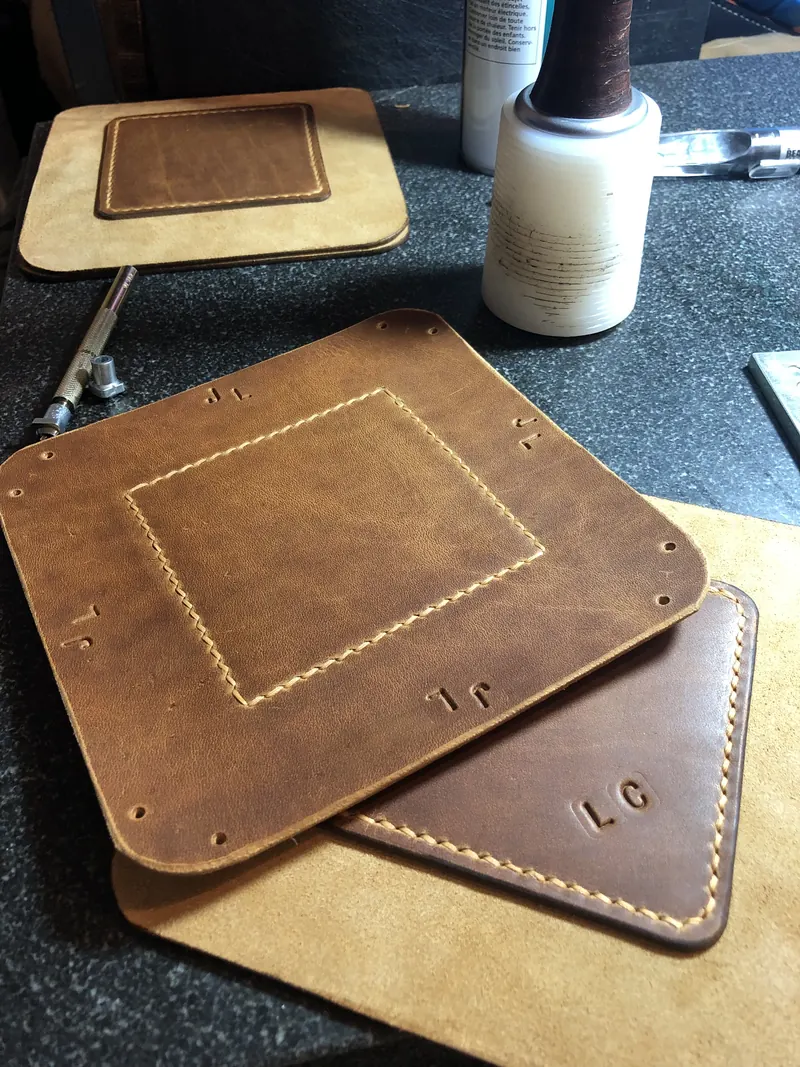
Crooked edges, misaligned layers, stitching in a complete mess. So I built another. And another.
The wallets I bought kept falling apart, so I made my own. The first one was terrible. Crooked edges, misaligned layers, stitching in a complete mess. So I built another. And another.
Then I wondered how hard a bag would be. I made a small pouch for dog waste bags on my dog’s leash. A lunch bag for my wife. A backpack for school. A messenger bag for a friend. Luggage for vacation. Each project grew more complex, because I understood how each piece fit the next and the steps to get there.
Hundreds of projects and over 100,000 hand stitches later, I can saddle stitch in my sleep.
Now I’m a brand identity and visual systems designer who brings all of that to every project.
- Curiosity
- I learn how your business works first.
- Planning
- I get everything in place before I start.
- Listening
- I hear you out before I offer a solution.
- Repetition
- I put in the hours and build on what I know.